
What You'll Learn in 30 Seconds
This guide covers which fibers keep feet dry and what blend percentages to look for on a label. It works through the right sock for each situation, from dress shoes to twelve-hour work boots. You will also see the construction details that matter beyond fabric alone. It closes with how to wash moisture-wicking socks properly and which marketing claims to ignore.
Quick picks by situation
Why Do Feet Sweat So Much?
Sweating is how your body keeps its temperature in a safe range. Your feet are unusually well equipped for the task. Cleveland Clinic puts the count at around 250,000 sweat glands in each foot. That is one of the highest concentrations anywhere on the body.
Four things usually explain a sweaty day.
Activity: Walking, running or training raises your core temperature. Your feet respond along with the rest of you.
Heat and humidity: Warm air holds more moisture, so sweat evaporates more slowly.
Closed shoes: A leather or synthetic shoe worn for eight to twelve hours traps warm, damp air. Sweat has nowhere to go.
Naturally active glands: Some people simply sweat more, and it has nothing to do with hygiene. Excessive sweating is a recognized condition called hyperhidrosis. It affects about 4.8 percent of people in the United States, and in one survey of those affected, 64 percent reported the soles of their feet among the areas involved. If your feet soak through socks even on a cool, quiet day, it is worth raising with a doctor.
Sweat itself has almost no smell. It is close to 99 percent water. The odor comes later, when bacteria on your skin break sweat down. That single fact explains why the right sock helps so much.
What Makes a Good Sock for Sweaty Feet?
A good sock does not stop sweat. Nothing you wear can do that, and you would not want it to. What a good sock does is move sweat away from the skin quickly, let it escape, and stay comfortable while doing it.
Four features do the heavy lifting.
Moisture-Wicking Fabrics
Wicking means moving liquid from one place to another through the fabric. Some fibers do this by pulling moisture into the fiber core and releasing it as vapor. Others repel it and push it along the surface toward the outside of the sock.
Either way, the goal is the same. Sweat should not sit between your skin and the sock. That damp film is what makes feet feel clammy, slip inside shoes and rub into blisters.
Cotton does the opposite. It soaks moisture up and keeps hold of it, so it stays wet against your skin.
Breathability
Breathability is about airflow, not just fiber choice. A sock knit with an open structure lets water vapor pass out instead of building up inside your shoe.
This is why two socks with the same fiber content can feel different. A tightly knit, dense sock traps more heat. A looser knit, or one with mesh panels across the top of the foot, lets warm air move.
Your shoe matters here too. The most breathable sock in the world cannot vent through a sealed rubber upper.
Odor Resistance
Smell is a bacteria problem, not a sweat problem. Bacteria need warmth and moisture to multiply. Take the moisture away and you slow them down.
That is why fibers that manage moisture well tend to smell less. Wool is particularly good at this because it holds moisture inside the fiber and locks odor molecules away with it. Synthetics dry fast but tend to hold onto smell more stubbornly between washes.
Some socks add silver or copper treatments to limit bacteria. These can help, though the effect usually fades over many wash cycles. Treat them as a bonus, not the main reason to buy.
Cushioning and Comfort
Cushioning stops friction, and friction is what turns a damp foot into a blistered one. But every extra millimeter of yarn adds insulation, which means more heat.
The answer is targeted cushioning rather than an all-over thick sock. Padding under the heel and ball of the foot, where pressure lands, and a thinner knit across the top where air needs to move.
Fit is part of comfort too. A sock that is slightly too big bunches under the arch, holds a pocket of sweat and rubs. Buy your actual size.
Best Sock Materials for Sweaty Feet
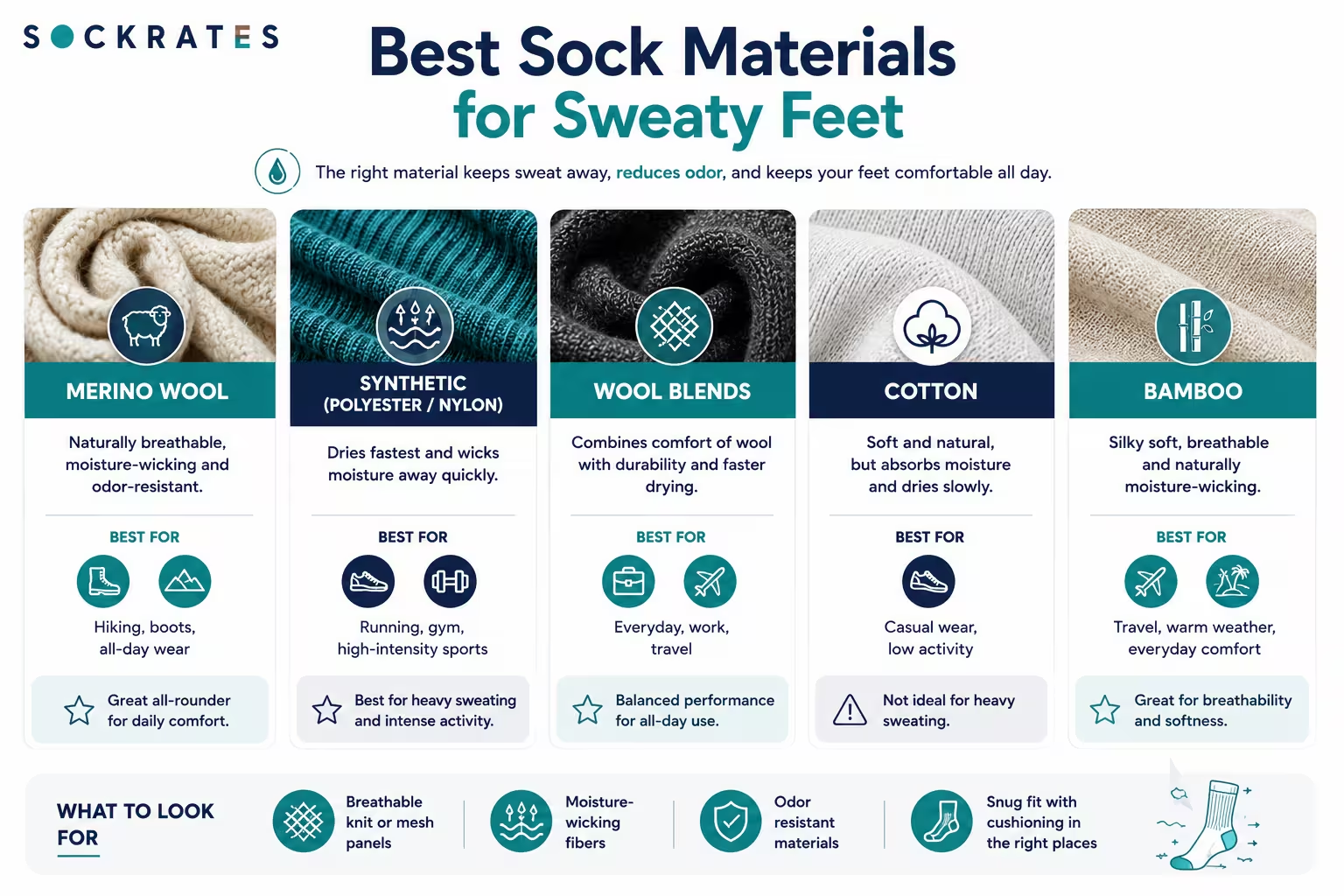
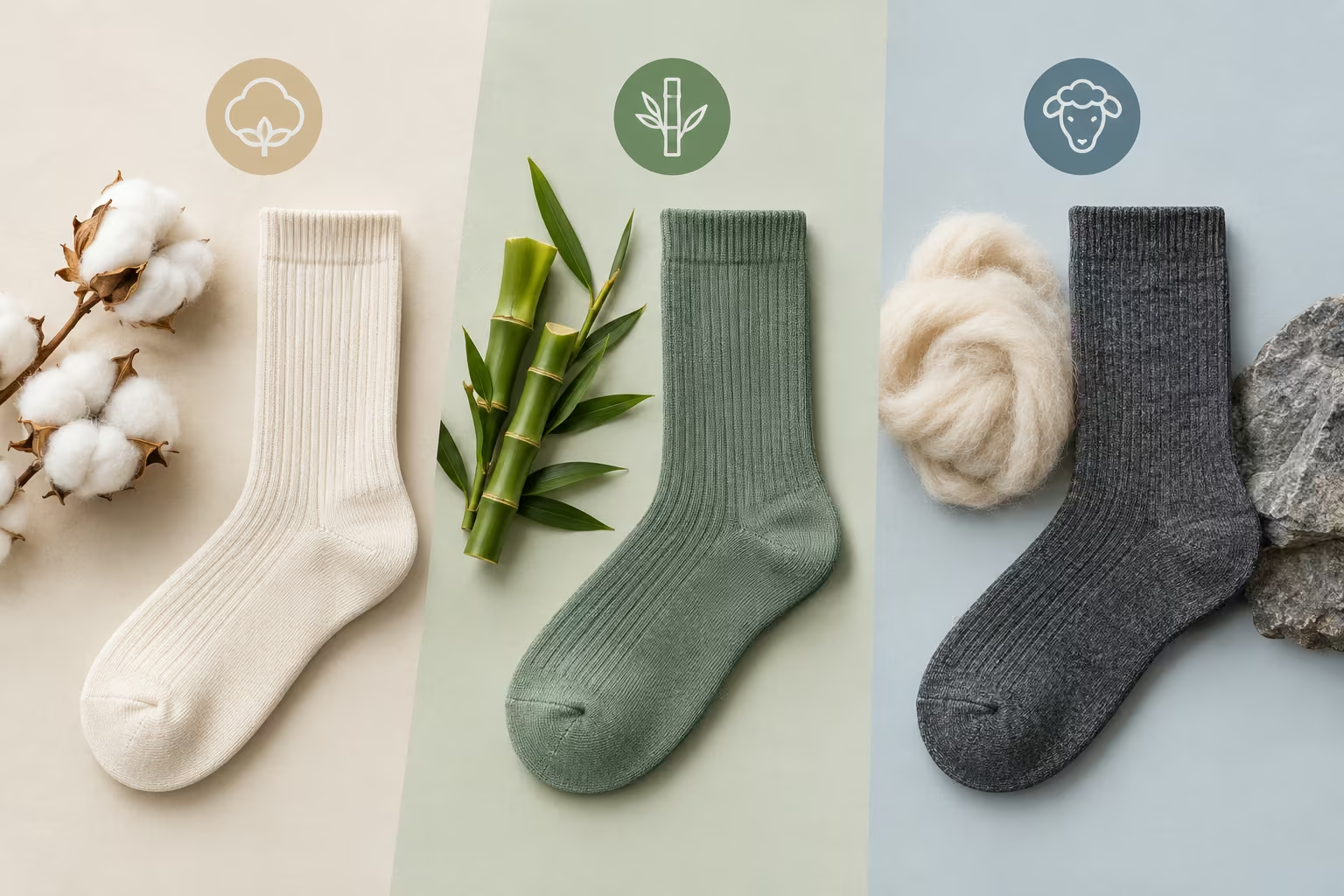
No single fiber wins on every measure. Merino handles moisture best but dries slowly. Synthetics dry fastest but hold odor. Here is how the common options compare.
Merino Wool
Merino is the best all-round choice for sweaty feet. It is hygroscopic, which means it draws water vapor into the fiber itself rather than leaving it on your skin.
The numbers are striking. Wool can absorb up to 35 percent of its own weight in moisture before it feels wet, roughly twice as much as cotton and around thirty times as much as polyester. Research also shows polyester fabrics hold more odor after wear than wool does.
Merino also regulates temperature in both directions. It does not cook your feet in summer the way thick traditional wool can, because the fine fibers are much lighter.
The trade-off is drying time. Once merino is properly wet, it takes longer to dry than a synthetic. If you need a sock ready again in a few hours, that matters.
Look for fine merino rather than generic wool. Coarse wool itches and insulates more than you want in warm weather.
Polyester Performance Blends
Polyester and other synthetics work differently. They barely absorb anything. Instead they repel moisture and push it outward through the knit, where it evaporates.
That makes them the fastest drying option available. For a hard gym session, a run or a match, this is exactly what you want. Sweat clears quickly and the sock is wearable again soon after washing.
The weak point is smell. Because polyester does not hold moisture inside the fiber, sweat residue sits on the surface where bacteria can work on it. Synthetic sport socks often need washing after every wear.
Most good synthetic socks are blends rather than pure polyester, usually paired with nylon for durability.
Bamboo
Bamboo socks are soft, smooth and genuinely pleasant to wear. Most are made from bamboo viscose, a regenerated cellulose fiber, and that is worth understanding before you buy.
As a cellulose fiber, bamboo viscose absorbs moisture readily. It also releases it more slowly than merino or polyester. So it handles a normal day well, but it is not the right pick for heavy sweating or intense exercise.
You will see strong antibacterial and eco claims attached to bamboo socks. Be skeptical. The processing involved in turning bamboo into viscose changes the material substantially. Buy bamboo because it feels good and breathes decently, not because of the marketing.
Nylon Blends
Nylon, also labeled polyamide, is rarely the star of a sock. It is almost always the supporting fiber, and it earns its place.
Nylon adds tensile strength and abrasion resistance. That is why you find it concentrated in the heel and toe, where shoes wear socks out first. It also holds very little moisture, so it does not work against a wicking blend.
A merino sock with no nylon in it will feel wonderful and wear out quickly. A sensible share of nylon is a sign the sock was designed to last.
Why Cotton Isn't the Best Choice
Cotton is not a bad fiber. It is a bad fiber for this specific problem.
Cotton is absorbent, which sounds useful until you realize it does not let go. It takes on sweat, holds it, and keeps it pressed against your skin. A wet cotton sock also loses shape, which means more movement, more friction and more chance of a blister.
This is why running and hiking guides steer people away from cotton. It is not snobbery. It is that damp cotton stays damp for hours.
Where cotton does fine is a cool office, a short commute or a light day on your feet. Combed and mercerized cottons are smoother and more durable than basic cotton, and blended with nylon and elastane they make comfortable everyday socks. If you want the full fiber-by-fiber comparison, this breakdown of polyester against cotton in socks goes deeper than we can here.
Just do not wear cotton to the gym and expect dry feet.
What Blend Percentages to Look For
Fiber names on a label tell you less than the percentages next to them. This is the part most buying guides skip, and it is the fastest way to judge a sock in a shop.
A merino sock built for moisture usually runs somewhere between 40 and 80 percent merino, with 15 to 40 percent nylon or polyamide for durability, and 1 to 5 percent elastane for fit. Below roughly 30 percent merino, you are buying the idea of a wool sock rather than the performance of one.
A synthetic performance sock typically runs 65 to 95 percent polyester or nylon, with 2 to 5 percent elastane. Some add a small share of wool to reduce odor.
An everyday cotton blend commonly sits around 75 to 80 percent cotton, 15 to 20 percent nylon and 2 to 3 percent elastane. That is a perfectly good office sock. It is not a sweat solution.
Three things to watch for on the label:
- Cotton above 60 percent in anything sold as a sport or performance sock. The words do not match the blend.
- No elastane listed at all. Expect the sock to sag and bunch, which traps moisture.
- Vague phrasing like cotton rich or moisture-wicking technology with no percentages given. If a brand is proud of its blend, it prints the numbers.
Best Socks for Different Activities
The right sock depends on what your feet are actually doing.
Everyday Wear
For normal days of walking, commuting and standing around, a lightweight merino blend is the easiest upgrade. It handles a warm afternoon without feeling heavy and stays fresh across two or three wears.
If merino is out of budget, a cotton blend with a decent nylon share works for cooler days. Keep a second pair in your bag through summer.
Running and Gym Workouts
This is where synthetics earn their reputation. Choose a polyester or nylon performance blend with light cushioning under the heel and ball.
Height is mostly preference, though a no-show sock that slips below the shoe collar will rub. Fit is not preference. A running sock should feel snug with no loose fabric at the arch.
A low-bulk synthetic knit is also standard for cycling, where a stiff shoe leaves no room for a bunched sock. Purpose-built cycling socks are cut thin for exactly that reason.
Hiking and Outdoor Activities
Long days need merino. You will sweat for hours, and merino absorbs a lot before your feet feel wet.
Look for a crew height that clears the boot collar, cushioning under the heel and forefoot, and a smooth toe seam. Carry a spare pair. Changing socks at lunch is the single best thing you can do for your feet on a long hike.
Some hikers wear a thin liner sock under a thicker one. The liner takes the friction and moves moisture outward. It is worth trying if you blister easily.
Work Boots and Long Workdays
Work boots are hot, heavy and sealed. Twelve hours in them is a real test.
A merino or wool blend crew sock with reinforced heel and toe handles this best. Add padding where the boot presses and keep the top of the foot thinner so heat can escape.
Cushioned athletic crew socks with a terry footbed and arch support suit long standing shifts too, though on the hottest days a wool blend will keep you drier.
Whatever you choose, rotate two pairs of boots if you can. One pair never fully dries overnight.
Dress Shoes and Office Wear
Dress shoes are the hardest case. They are closed, often unlined leather, and there is no room for bulk.
The answer is a fine-gauge sock in a moisture-managing fiber. Lightweight merino dress socks exist and are worth the money if your feet sweat. They are thin enough for a slim shoe and handle a full day better than cotton.
If you prefer cotton for the finish, mercerized cotton dress socks are smoother and hold color better than standard cotton, which makes them comfortable for office wear in cooler conditions. Pair them with leather-soled shoes rather than rubber, and let the shoes air overnight.
Other Features That Help Keep Feet Dry
Fiber gets most of the attention. Construction quietly decides how the sock actually performs.
Mesh ventilation panels. Usually knit across the top of the foot and the arch, where a shoe does not press. They vent water vapor without weakening the sock where it matters.
Seamless or hand-linked toes. A bulky toe seam is a friction point, and friction on a damp foot causes blisters fast. A flat toe closure removes the problem.
Arch support bands. A band of elastic across the middle of the foot stops the sock sliding and bunching. Less bunching means fewer damp folds.
Targeted cushioning. Padding under the heel and ball, thinner knit elsewhere. You get protection without turning the whole sock into insulation.
Thickness, considered properly. Thinner is not automatically cooler. A thin cotton sock traps moisture; a mid-weight merino sock manages it. Judge by fiber first, thickness second.
Sock height. Height affects how much skin is covered and how heat escapes at the ankle. No-show socks keep the ankle open but sit inside the shoe, where sweat pools. Crew socks cover more but vent above the shoe line. This guide to sock lengths covers where each style sits and when it suits.
Tips to Keep Your Feet Dry Throughout the Day
Good socks do most of the work. These habits do the rest.
Rotate your shoes. Wearing the same pair daily means starting each morning in damp shoes. Alternate between two pairs.
Let shoes dry completely. Loosen the laces and pull the tongue open. A full twenty-four hours is better than an overnight rest.
Change socks mid-day. If your feet sweat heavily, keep a spare pair at work or in your bag. It takes two minutes and resets everything.
Choose breathable shoes. Leather, canvas and knit uppers let vapor out. Fully synthetic uppers do not.
Wash and dry your feet properly. Dry between the toes, not just the top. Trapped moisture there is where problems start.
Try an antiperspirant on your soles. The same aluminium-based products used under the arms work on feet. Apply to clean dry skin at night and let it dry before socks go on.
Consider a foot powder. A light dusting absorbs residual moisture inside the sock. Do not overdo it, or you get paste.
How to Wash Moisture-Wicking Socks
This section exists because a lot of people quietly ruin good socks in the laundry, then conclude the socks were oversold.
Skip the fabric softener. Softener works by depositing a thin waxy film on fibers. That film is water repellent, which is exactly what you do not want on a sock designed to move moisture. It is the single most common way wicking performance disappears.
Wash inside out where you can. Sweat residue and skin cells collect on the inside. Turning socks inside out gets that surface facing the water.
Use a cool or warm wash, not hot. Heat damages elastane, and once the elastane goes the sock sags. Around 30 degrees Celsius or 86 Fahrenheit is plenty.
Treat merino gently. Wool needs a cool wash, a wool-specific or mild detergent, and no bleach. Avoid the tumble dryer entirely. High heat causes wool fibers to felt and shrink, and it does not come back.
Air dry synthetics too. They dry fast on their own, and repeated hot drying degrades the elastic. Lay them flat or hang them.
Wash sport socks after every wear. Synthetics hold odor. Merino can often stretch to two or three wears, which is part of its appeal.
Do not use hot water on smell. If a sock already smells, soak it in cold water with a splash of white vinegar for thirty minutes before washing. Hot water sets protein-based odor in.
Sweaty Feet Sock Myths, Decoded
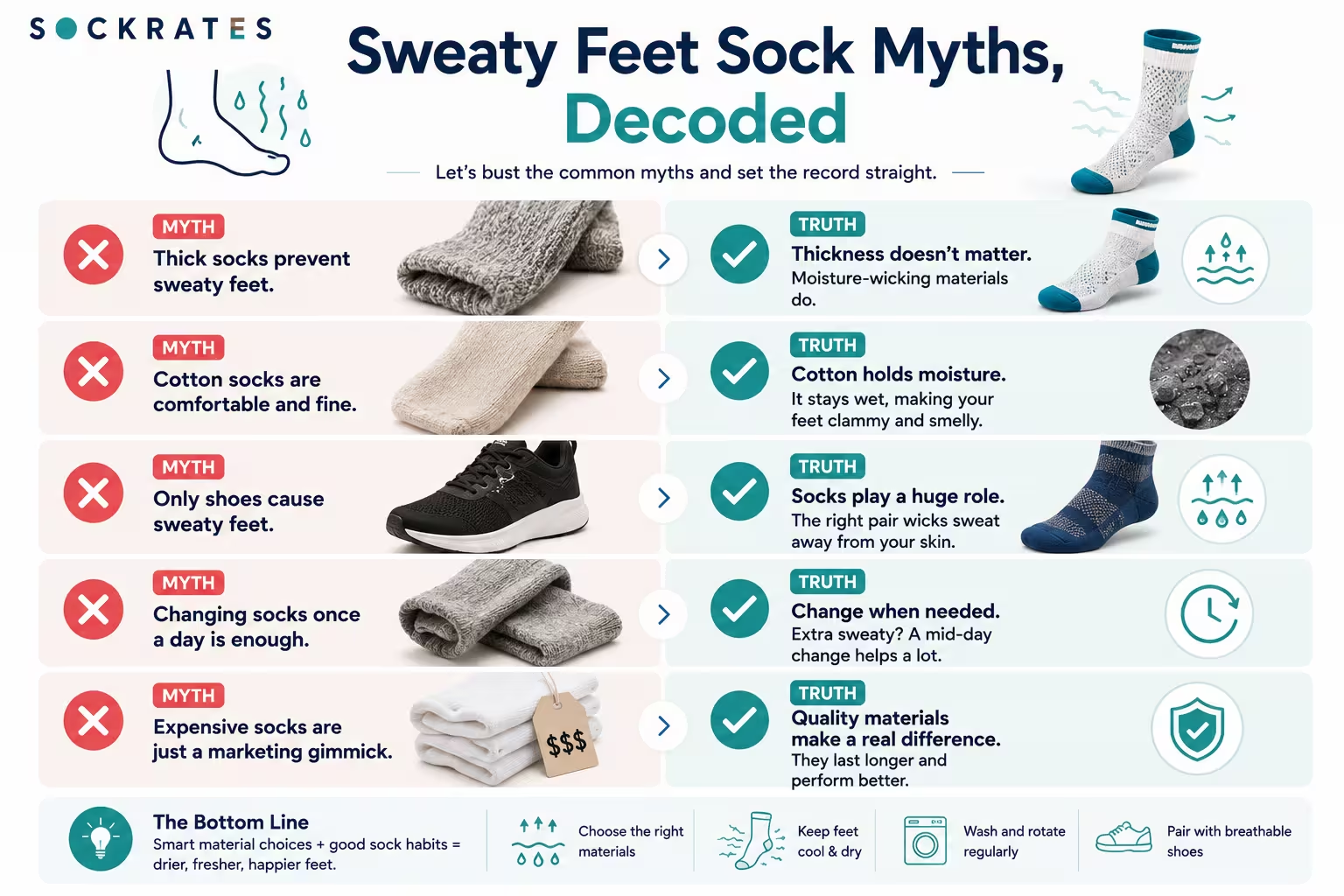
Some claims follow this topic around. Here is what holds up.
Myth: sweat-proof socks exist. No sock stops sweat glands producing sweat. Any product promising dry feet regardless of conditions is overselling. The honest claim is faster moisture movement, and that is a real and useful thing.
Myth: thinner socks are cooler. Thickness is secondary to fiber. A thin cotton sock holds sweat against your skin. A mid-weight merino one moves it away. The material decides.
Myth: wool is only for winter. Coarse traditional wool is. Fine merino is used in summer base layers and warm-weather sport socks precisely because it manages moisture and heat in both directions.
Myth: bamboo socks are naturally antibacterial. Bamboo the plant contains antimicrobial compounds. Bamboo viscose has been chemically processed, and those properties largely do not survive the journey into your sock. Bamboo socks are soft and breathable. That is enough of a reason.
Myth: cotton-rich sport socks are fine because they say sport. The word on the packaging is marketing. The percentage on the label is the specification. Read the second one.
Myth: more cushioning always means more comfort. Cushioning where pressure lands helps. Cushioning everywhere adds heat, which adds sweat.
Choosing Custom Socks for Teams and Businesses
The same qualities that matter to a single buyer matter more when you are ordering a thousand pairs. The difference is that a bad decision multiplies.
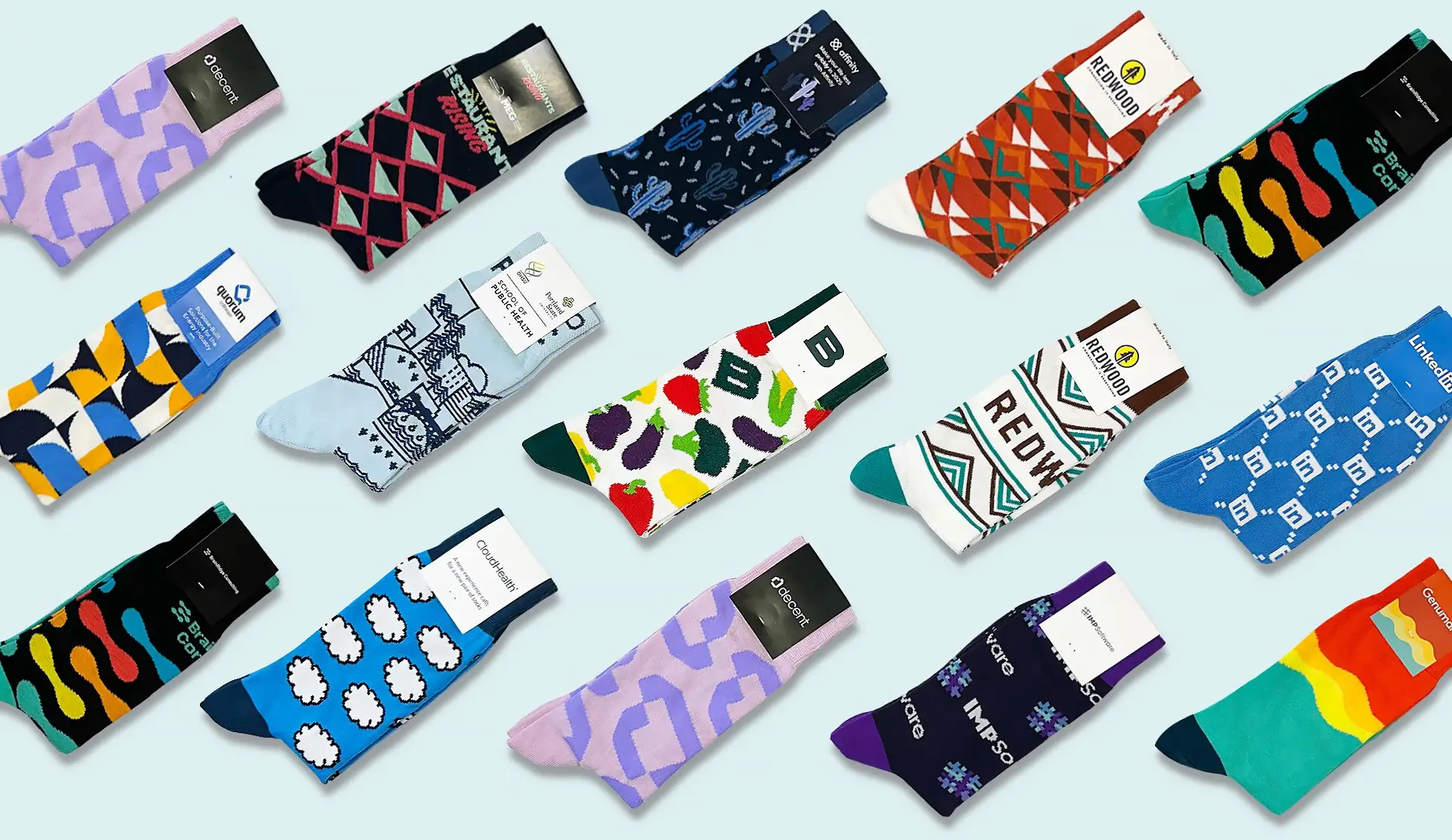
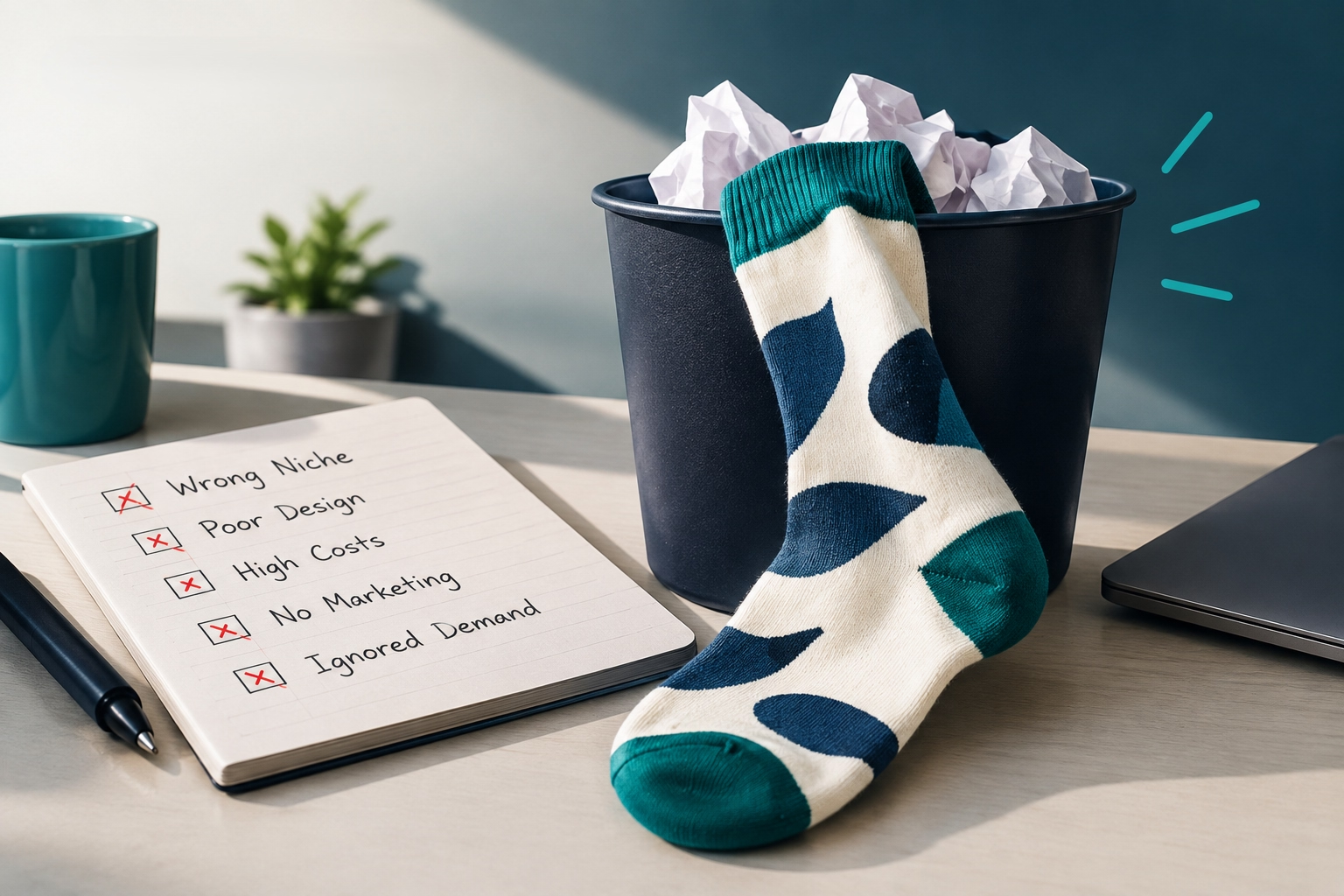
Companies, sports teams, gyms, retailers and promotional brands often specify a sock by color and logo placement alone. Fiber blend, knit density and cushioning get left to the supplier. That is how a branded sock ends up in a drawer unworn, which defeats the point of putting a logo on it in the first place.
A few things worth specifying up front:
- Blend percentages, not just fiber names. Ask for the exact composition and check it against the intended use. A gym membership gift and a winter client gift need different blends.
- Where the cushioning sits. Terry footbeds under the heel and forefoot, thinner knit across the top.
- Reinforcement zones. Heel and toe are where socks fail. A proper nylon share there decides whether the sock survives a season or a year.
- Toe closure and arch support. Small construction details that decide whether people reach for the pair again.
- Sizing approach. A one-size-fits-most sock covers a wide range and avoids leftover stock, though targeted sizing suits a team kit better. It is worth thinking through sizing options before you commit to a run.
A manufacturer that knits its own socks can talk about all of this specifically rather than in generalities, and can match a blend to the job. If you are working out what to specify for your own order, the design team can put together mockups and options before anything goes into production.
Frequently Asked Questions
Create socks your team will actually be proud to give away