

What you'll learn in 30 seconds
Baseball fundraising ideas help teams raise money for equipment, travel, uniforms, and tournaments. Popular fundraising methods include hit-a-thons, sponsorship programs, merchandise sales, raffles, and community events. Successful baseball fundraisers often combine engaging activities with products or experiences that supporters enjoy purchasing.
Quick decision helper: which baseball fundraiser should you pick?
The right baseball fundraiser depends on three things. How much time your volunteers can give. How wide your audience reaches. And how much you can risk upfront.
Use the table below as a fast scan. The full breakdown for each idea sits further down.
Quick picks by situation
Need to raise $5,000 fast for a travel team? Pair a crowdfunding campaign with a spirit wear online store and a sponsor-a-player drive. All three reach extended family across states.
Little League with strong parent volunteers? A Hit-a-Thon plus a restaurant dine-out night gives you a fun event and easy passive revenue in one season.
High school program needing recurring revenue? Build a tiered booster program, add a spirit wear store, and run 50/50 raffles at every home game.
Event-based baseball fundraising ideas
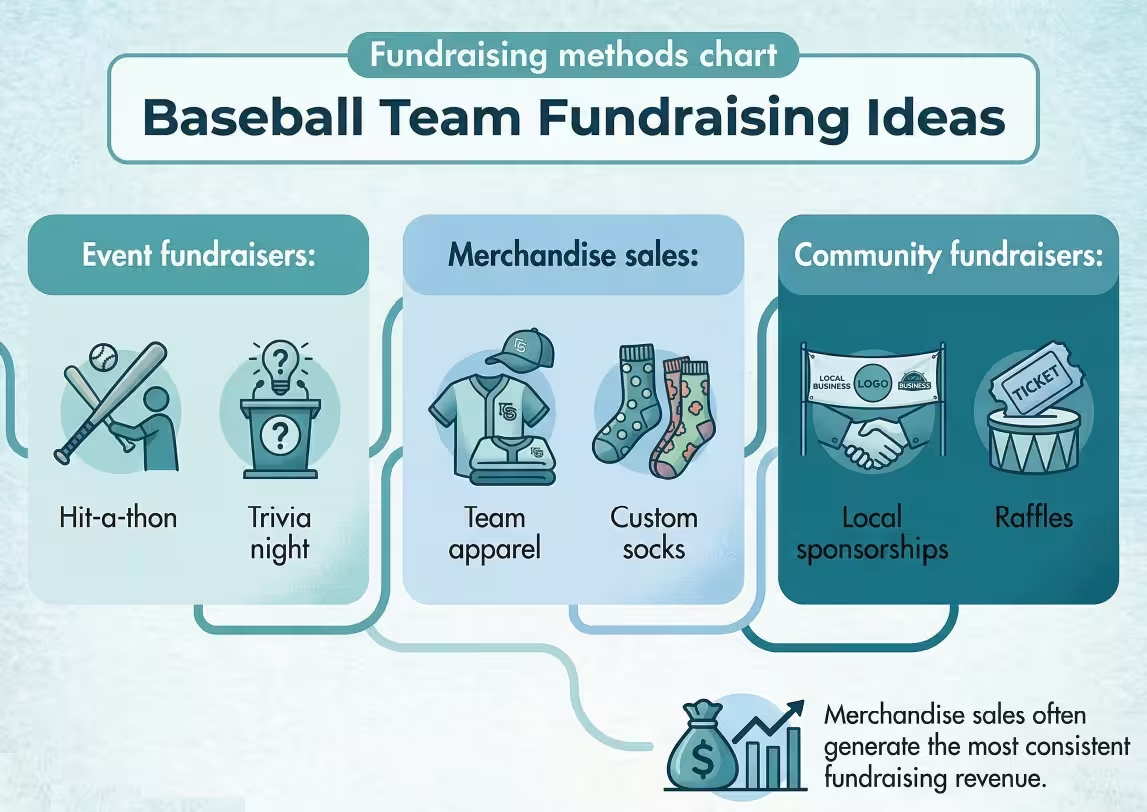
Events build community and team spirit. They also take more planning. Use them when you have parent volunteers and at least three weeks of runway.
1. Hit-a-Thon or Home Run Derby
This is the most popular baseball fundraiser for a reason. Players collect pledges from family and friends. Pledges are based on how many balls they hit, or how far each ball travels.
Set a date, pick a field, and decide how many pitches each player gets. A pitching machine helps keep things fair. A team of 12–15 players can raise $1,000 to $3,000 per event when each player secures 6–8 pledges at $5–$10 per hit.
Promote two weeks ahead. Combine the event with a season opener or BBQ and sell concessions on the side. That alone often doubles the take.
Bonus: Stream it live on social media so out-of-town family can pledge in real time.
2. Batting cage rental night
Partner with a local indoor cage facility for one evening. Charge an entry fee for unlimited swings. Add a fastest-pitch contest and a home run distance challenge for extra ticket sales.
This works well in the off-season when families miss the field. It also takes very little volunteer time. The facility handles the equipment. You handle the door and the prizes.
3. Pitching speed contest
Set up a radar gun and charge a per-pitch fee. Award prizes for the fastest reading in each age bracket. Adults love this one too. Many parents will pay just to see who has the strongest arm.
You can run this as a standalone event or add it to any home game. Keep buckets of baseballs ready. Post the leaderboard live so people keep paying for another try.
4. Alumni vs. current team game
Invite former players back for a friendly game against the current roster. Charge spectators a small admission and sell concessions. Add a silent auction with team memorabilia for an extra revenue stream.
Alumni games have an emotional pull that generic fundraisers lack. Parents who would never donate to a fundraising email show up to see their kid's old team. This idea works best for high school programs and established travel organizations.
5. Baseball skills camp or boot camp
Older players run a half-day camp for younger kids in your league. Charge a registration fee that covers a t-shirt and snack. Most camps run $40–$75 per child and clear $1,500–$5,000.
Parents love it because the kids get coached by older players they look up to. Your players love it because it feels like a real responsibility, not a chore. Keep activities tight: batting drills, base running races, fielding games, and a fun closing scrimmage.
If you bundle in a custom team item like socks or a hat, the perceived value of the camp goes up and so does your sign-up rate.
6. Mini-golf tournament
Reserve a local mini-golf course for an afternoon. Charge teams a registration fee and award prizes for the lowest score and the most creative team name. This is family-friendly and easy to promote on social media.
Ask the venue for a discounted group rate. Many will donate a portion of food and drink sales if you bring 30 or more people through the door.
7. Baseball trivia night
Host a baseball-themed trivia evening at a local restaurant or community hall. Charge an entry fee per team of four. Prepare rounds on team history, player stats, World Series moments, and rule trivia.
Restaurants often host for free because you bring in dinner traffic. Award the winning team a small prize and a free round of appetizers donated by the venue.
8. Movie night at the ballpark
Set up a projector on the outfield wall and play a baseball classic. Field of Dreams, The Sandlot, and A League of Their Own all draw a crowd. Sell popcorn, hot dogs, and drinks. Charge a suggested donation at the gate.
This idea fits programs that already have field access. Bring blankets, lawn chairs, and a small donation box near the snack table.
Product-based baseball fundraising ideas (where the real money is)
Product fundraisers beat events on most metrics. There's no inventory risk if you pre-sell. Families buy multiple items per order. And the products keep selling all season long, not just on event day.
This is the section where teams leave the most money on the table. They pick a generic candy bar fundraiser at 30% margin when they could run a branded merchandise drive at 50–60% margin and reach a wider audience.
9. Custom team socks
Custom socks work for baseball fundraising for a few specific reasons. They sit at a lower price point than hoodies, which widens your buyer base. Margins on socks tend to be higher in percentage terms than on tees. And families often buy multiple pairs per order, one for the player and a couple as gifts for grandparents.
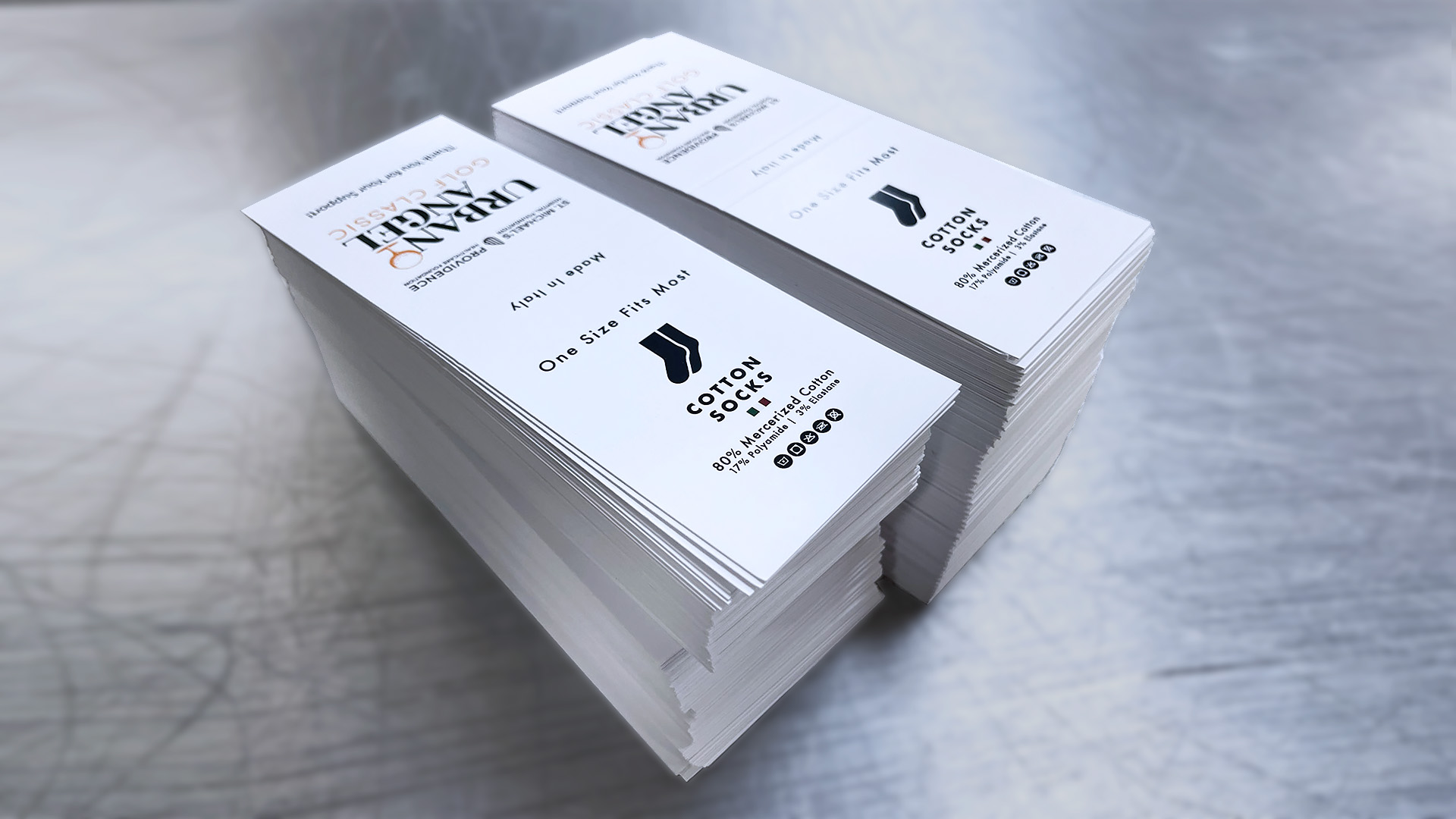
We've helped many sports teams design custom socks for fundraising drives, including youth and travel programs. The pattern that works best is a pre-sale model. Players take orders for two weeks, the team places one consolidated order, and we ship in seven days.
Pre-selling means zero upfront cost and zero leftover inventory. Teams set a markup of $5–$10 per pair on top of cost. A team of 15 players selling 8 pairs each clears $600–$1,200 per drive at our athletic socks price point.
The honest tradeoffs to know: socks have a minimum order quantity, so a tiny team of 6 players might struggle. Design lead time also matters, so we recommend starting two weeks before your sale window. Our free design service handles the artwork in 5 free revisions, which keeps the volunteer load light.
How a custom sock fundraiser actually runs:
- Upload your team logo or design idea using our free design form.
- Our design team creates free versions for your team to choose from.
- Open a 2-week pre-sale where players collect orders from family and friends.
- Place one consolidated order. We ship your custom baseball socks in 7 days.
- Distribute and pocket the markup.
10. Spirit wear online store
Set up a no-inventory online store with hoodies, t-shirts, hats, and bags in your team colors. Most spirit wear platforms ship orders directly to buyers, so the team handles zero logistics. You set the markup, typically $10–$30 per item.
This is the highest-ROI option for travel teams because the store stays open year-round. Extended family in other states can order anytime. Push hard around opening day and tournament weekends when excitement peaks.
Pair the spirit wear store with a custom sock drive for a complete merch lineup. The two products don't compete because they hit different price points and use cases.
11. Custom hat or cap sales
Caps are baseball culture. Selling a team-branded cap to parents, grandparents, and local fans is one of the easiest single-product fundraisers out there. Margins run 40–60% on bulk orders.
Run this once at the start of the season as a pre-order. Avoid keeping inventory. Most cap suppliers offer minimums in the 24–48 unit range, which works for most teams.
12. Concession stand upgrade
If your league lets you run the concession stand at home games, this is steady revenue. Hot dogs, popcorn, candy, and bottled drinks all carry margins above 60%.
Most teams clear $200–$600 per game when they staff the stand for the full schedule. The trick is signage. Tell the crowd that 100% of profits fund the team. People buy more when they know.
13. Cookie dough, popcorn, or snack fundraiser
These are catalog-style product fundraisers. Players take an order form, friends and family pre-order, and the team gets a portion of each sale. Margins typically run 40–50%.
Honest tradeoff: the products are not unique to your team, so the appeal is purely about supporting the player. Best paired with a personal letter or short video from each player explaining what the money goes toward.
14. Baseball card break fundraiser
This one's newer and growing fast. The team buys a sealed box of high-end baseball cards. Buyers pay for a slot in the break. When the box is opened live on stream, each slot owner keeps the cards from their assigned team or position.
A quality box costs $200–$500 to buy. Most breaks raise $500–$1,500 once card values are tallied. Best for teams with older players or a strong online following who can stream the unboxing.
15. Customized team calendar sales
Take action photos throughout the season. Design a wall calendar featuring players, coaches, and standout moments. Pre-sell to families, alumni, and grandparents. Calendars typically sell for $15–$25 each with 50–60% margin if you use an online print-on-demand service.
This works best as a holiday-season fundraiser because calendars are gift-friendly. Combine with a year-end thank-you email to past sponsors.
Sponsorship-based baseball fundraising ideas
Sponsorships build long-term relationships with local businesses. They take more upfront work than a single event, but they pay back across multiple seasons.
16. Local business team sponsorship
Local businesses want to support youth sports. They just need a clear reason and a clean package. Build sponsorship tiers, for example $250 Bronze / $500 Silver / $1,000 Gold. Each tier offers different visibility: logo on banners, jerseys, dugout fence, social media shoutouts, or a sign at the field.
Approach businesses where parents on your team already shop. Coffee shops, dentists, insurance agents, hardware stores, and restaurants all do well. A team that lands four or five mid-tier sponsors typically clears $2,000–$5,000 per season.
Maintain the relationship year-round, not just at signup. Tag sponsors in social posts, send a season-end thank you with photos, and re-pitch them in February for the next season.
17. Sponsor-a-player campaign
A sponsor-a-player campaign personalizes the fundraising. Supporters contribute directly to a specific player's tournament fees, equipment, or travel expenses.
Create a short profile for each player. Include their position, a fun fact, and what the sponsorship will fund. Post profiles on social media and your website. Grandparents, aunts, uncles, and family friends respond strongly to a named player rather than a faceless team.
18. Jersey or banner ad sales
Sell ad space on team jerseys, warmup tops, or fence banners around your home field. Local businesses get recurring visibility for their logo across the entire season. This works especially well for travel teams that play in tournaments where logos get seen by hundreds of out-of-area fans.
Price banner ads at $200–$500 per season. Jersey patches can run $500–$1,500 depending on placement and team profile.
19. Restaurant dine-out night
Partner with a local restaurant for a designated night where 10–20% of sales go to your team. The restaurant gets a packed house. You get a percentage of the take with zero upfront cost.
Promote heavily through team email, group chats, and social media. The more dinner orders you drive, the bigger the check. Most teams clear $200–$800 per dine-out night.
Chains like Chipotle, Panera, Pizza Hut, and many local restaurants run formal fundraising programs you can apply to in advance.
20. Matching gift programs
Many companies match employee charitable donations dollar-for-dollar. Ask families on your team to check if their employer has a matching gift program for youth sports nonprofits. If your league is a registered 501(c)(3), this can double parts of your fundraising overnight at no extra cost to anyone.
The catch: the team must be set up as a qualifying nonprofit. If you aren't, this is the year to start the paperwork.
Online and digital baseball fundraising ideas
Online fundraisers reach far beyond your local community. They suit travel teams especially well because supporters are spread across states.
21. Crowdfunding campaign
Set up a campaign on GoFundMe, Snap! Raise, or a similar platform. Tell your team's story clearly. Include specific dollar goals (e.g., "$3,000 for tournament travel"), photos, and a short video from the players or coach.
Promote through email, social media, and group texts. Encourage parents to share with their extended networks. Campaigns that include a personal video from the players consistently outperform text-only campaigns.
Crowdfunding works best for specific, time-bound goals. "Help us get to the regional tournament in July" beats "general fundraising for the team."
22. Online auction with donated items
Collect donated items from local businesses and individuals. Autographed memorabilia, coaching sessions, gift baskets, and unique experiences all draw bids. List items on a platform like 32auctions or BiddingForGood.
Auctions run for 7–10 days. Promote daily through email and social. Most auctions raise $1,000–$3,000 if you secure 15–20 quality items.
23. Social media challenge fundraiser
Pick a fun, on-brand challenge. Players film a team-wide bunt-off, a glove-toss chain, or a coach pie-in-the-face if a goal is hit. Post the videos and ask viewers to donate. Use a clear donation link in the bio or pinned post.
This fundraiser works well alongside a crowdfunding page. The challenge content keeps the campaign fresh in everyone's feed.
24. Team-specific discount cards
Discount cards offer cardholders deals at local businesses (10% off at the pizza place, $5 off at the auto shop, etc.). Players sell cards for $10–$20. Local businesses get marketing exposure. The team keeps most of the revenue.
This works best in tight-knit communities where families recognize the participating businesses. Margins are high because the cards are cheap to print.
25. Raffles, sweepstakes, and 50/50 games
Three angles in one idea, all proven.
Traditional raffle: Sell tickets for a basket of donated items. Draw at a home game.
50/50 raffle: Sell tickets at every home game. Half the pot goes to the winner, half to the team. Most teams clear $100–$400 per game with almost no setup.
Sweepstakes: Online ticket sales for a single high-value prize, like an autographed item or an experience.
Check your state and local laws before running any cash raffle. Some states require permits, especially for cash 50/50 games.
Best fundraising ideas for youth baseball teams
Youth baseball teams (Little League and recreational leagues) have a smaller audience and parent-driven sales cycles. The best ideas are simple, hands-on, and involve the kids directly.
Top picks for youth teams:
- Hit-a-Thon (#1) – kids love it, parents pledge eagerly.
- Custom team socks (#9) – low-effort, families buy multiple pairs.
- Restaurant dine-out night (#19) – zero upfront cost, easy to promote in school group chats.
- Cookie dough or snack fundraiser (#13) – classic catalog fundraiser kids can run with parent support.
- Skills camp run by older kids (#5) – if your league has older divisions, the older kids coach younger ones.
Avoid event-heavy fundraisers like alumni games or large tournaments at this level. Volunteer hours are the bottleneck. Stick to ideas where parents do 2–3 hours of work and the team still clears real money.
Best fundraising ideas for travel baseball teams
Travel baseball is the most expensive level of youth baseball. Annual costs often run $3,000 to $10,000 per player once tournaments, travel, lodging, and equipment are added up. Fundraising has to match that scale.
Travel teams have one big advantage: extended family across multiple states. Online and product-based fundraisers reach further than a local car wash ever could.
Top picks for travel teams:
- Spirit wear online store (#10) – year-round revenue, no logistics, reaches out-of-state family.
- Crowdfunding for tournament-specific goals (#21) – "Help us get to Cooperstown" is a powerful pitch.
- Sponsor-a-player campaign (#17) – grandparents and family friends fund directly.
- Custom team socks + spirit wear bundle (#9 + #10) – two-tier merch program covers different price points.
- Jersey or banner ad sales (#18) – local businesses get tournament-day visibility across regions.
What to avoid: low-margin event fundraisers that burn out already-stretched parents. Travel families are juggling tournaments most weekends. They have no bandwidth for car washes or bake sales. Lean into things that run in the background.
How to run a successful baseball fundraiser: 6 rules
The fundraisers that hit their goals all follow the same basic rules. Most teams break at least one of them.
- Set a specific dollar goal. "Raise $4,500 for July tournament fees" beats "raise money for the team." People give more when they know exactly where the money goes.
- Involve the players directly. Donors give to people, not to organizations. Have players write notes, record videos, or run point on outreach.
- Pre-sell whenever possible. Pre-orders eliminate inventory risk for product fundraisers and lock in revenue before you spend a dollar.
- Time it around peak interest. Opening day, tournament weekends, and the start of the school year are when families are most engaged.
- Use a single point of contact. Designate one parent as the fundraising lead. Splitting roles across five people kills accountability.
- Track and share progress publicly. Post a thermometer chart, send weekly updates, and celebrate every milestone. Visible progress drives last-mile donations.
Pick the right fundraiser, then make it run on autopilot
The best baseball fundraiser is the one your volunteers will actually finish. Pick a single product-based fundraiser with high margins. Add one local sponsorship push. Layer in a 50/50 raffle at home games for ongoing revenue.
That three-part stack outperforms most teams running six different one-off events.
If you want a low-risk merchandise option with a 7-day turnaround, we ship custom team socks with no upfront design fees and 5 free design revisions. See our work or explore all sock styles to see what fits your team.
Frequently asked questions
Create socks your team will actually be proud to give away








.webp)